Some artists chase trends. Others are carrying something older — something inherited.
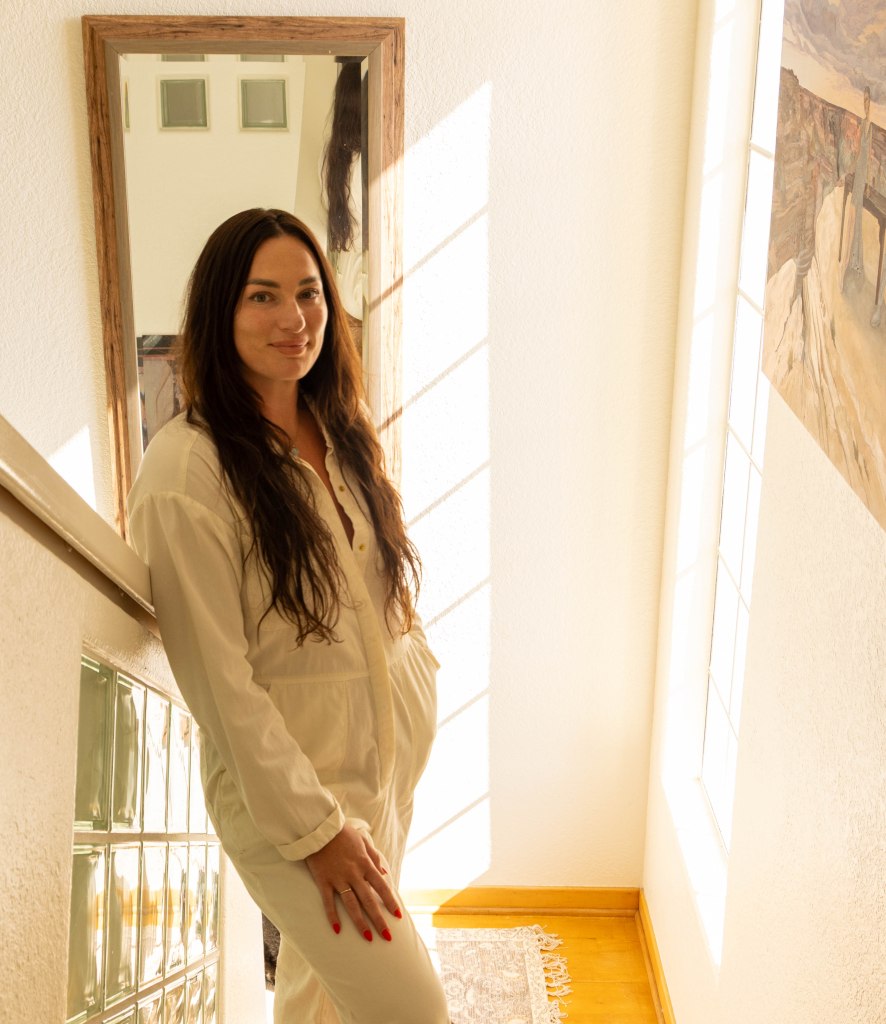
When I sat down with Kortney Jones Bridges, it was obvious she isn’t painting Western art because it’s having a moment. She’s painting it because it’s in her bloodline, in her memory, in her sense of home. Even living in Southern California — a place where coastal culture often speaks louder than ranch culture — her work stays rooted in dust, horses, wide-open skies, and the kind of quiet grit you can’t fake.
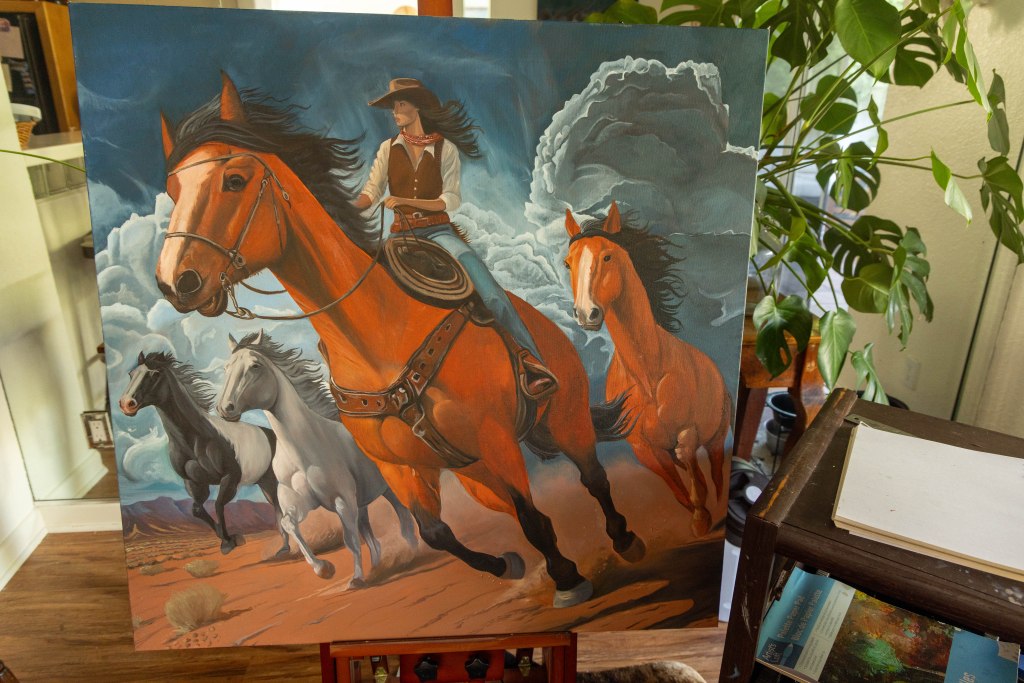
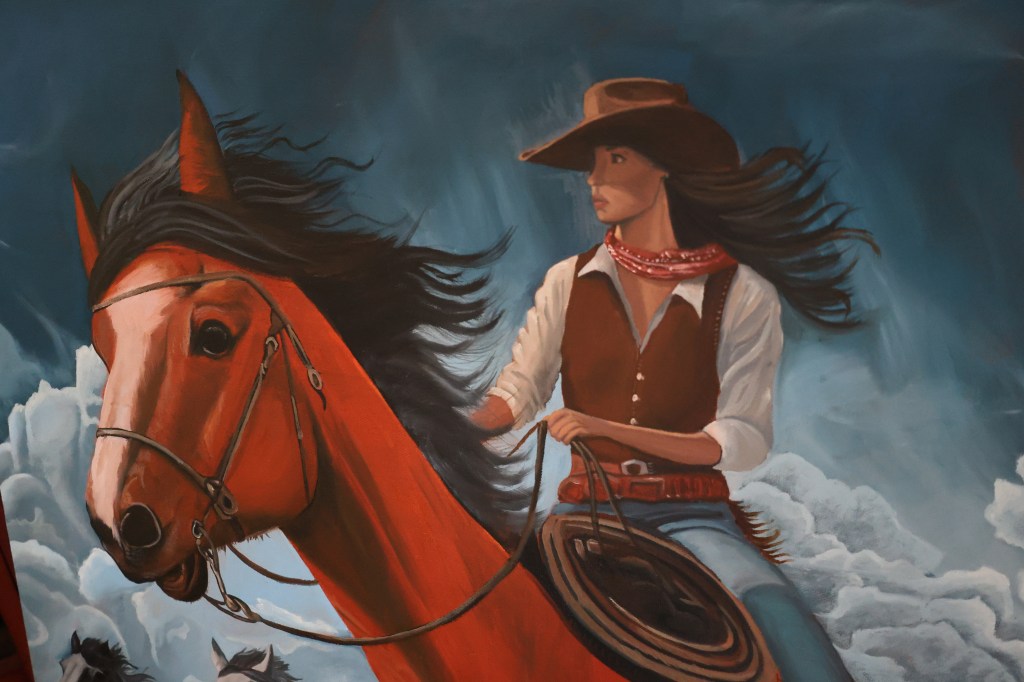
Kortney’s paintings are large, luminous, and often cinematic — the kind of pieces that make people stop and say, “Wait… it’s that big?” There’s realism in her rendering, but also a dreamlike softness to her worlds: women moving through landscapes that feel sacred, symbolic, and deeply felt. She paints in oil, a medium she fell in love with during COVID, and now she says she’d never go back.

“You just can’t do what you can do with oil, with acrylic,” she told me — talking about the blending, the shadows, the way it lets you stay in the painting longer. With oils, you’re not just building an image. You’re building an atmosphere.

From a Six-Year-Old Painter to a Teen Who Quit
Kortney has always been an artist. Her mom still has paintings she made as a little kid — proof that creating wasn’t something she “picked up,” it was something she was. But like a lot of artists, the path wasn’t linear.
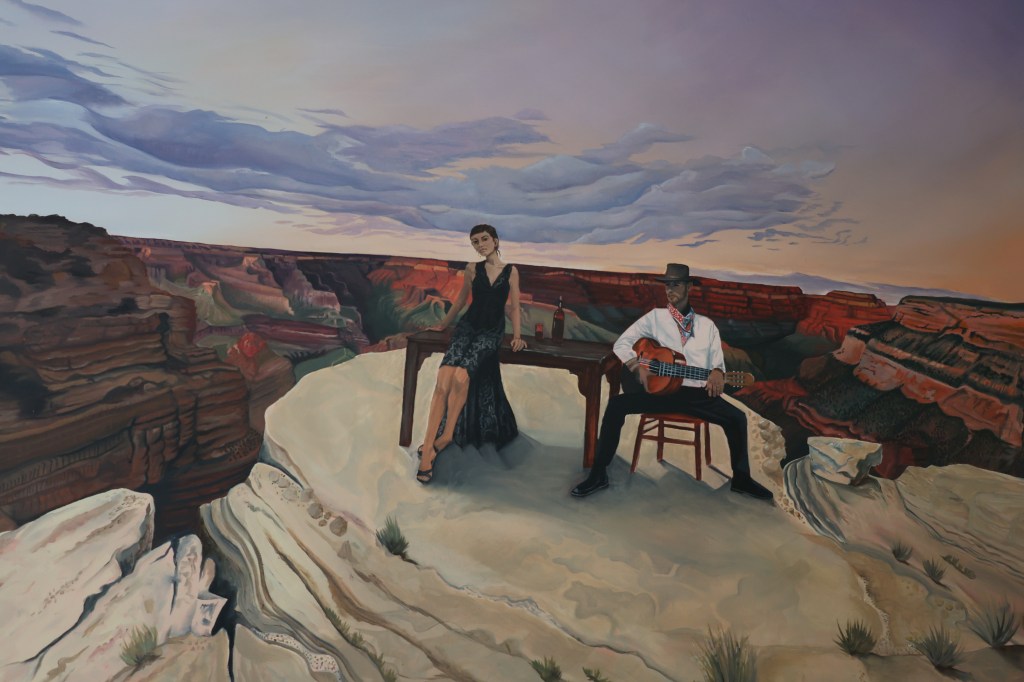
In high school, art became more surreal — trippy, moody, influenced by Salvador Dalí, mixed with the energy of being a rebellious teen. She explored ceramics too, sculptural work, contests, and creative experiments. And then came a moment that would crack a lot of people.

At eighteen, she took a commission for a friend-of-a-friend. He paid her $200 — and then, when he didn’t like it, he threw her painting in the trash in front of her.
It sounds unreal. Like a movie scene. And it kind of is.
That moment hit so deeply that she quit. Not dramatically — just quietly, internally: I’m done.
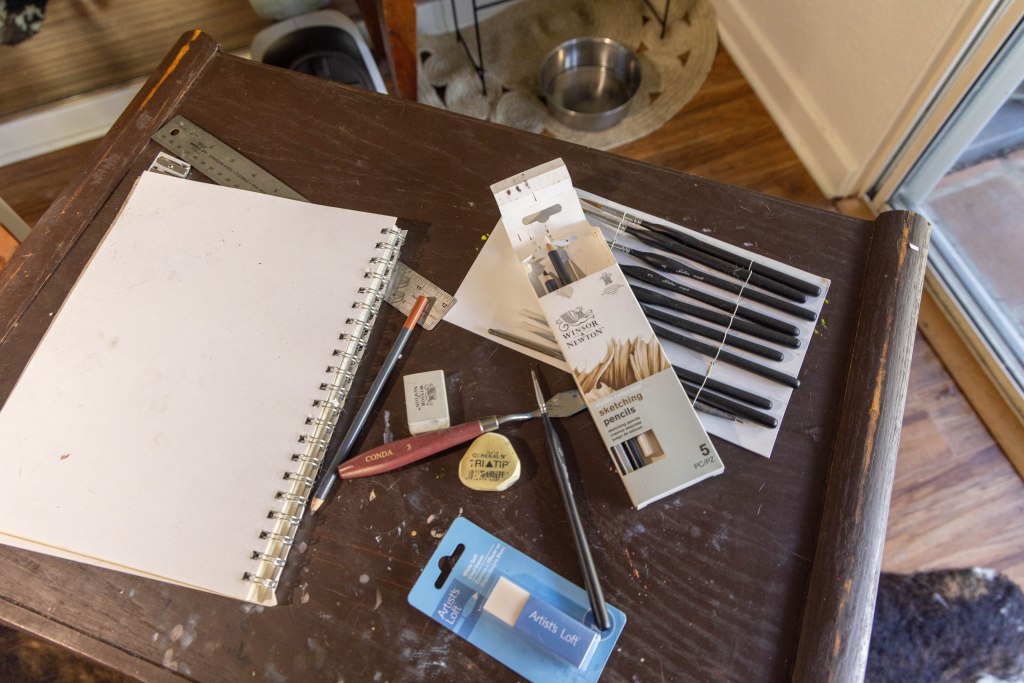
Her husband Matt has been in her life since she was sixteen, and he watched that moment shift something in her. Years later, for her birthday, he bought her oil paints — a gentle nudge back toward what he always knew was part of her. His grandma had been an oil painter too, known for horses and Native American subjects, tied to their family’s Arizona connection.
Kortney didn’t touch the paints at first. Life was busy. College. Career. Responsibility. And then the world paused.
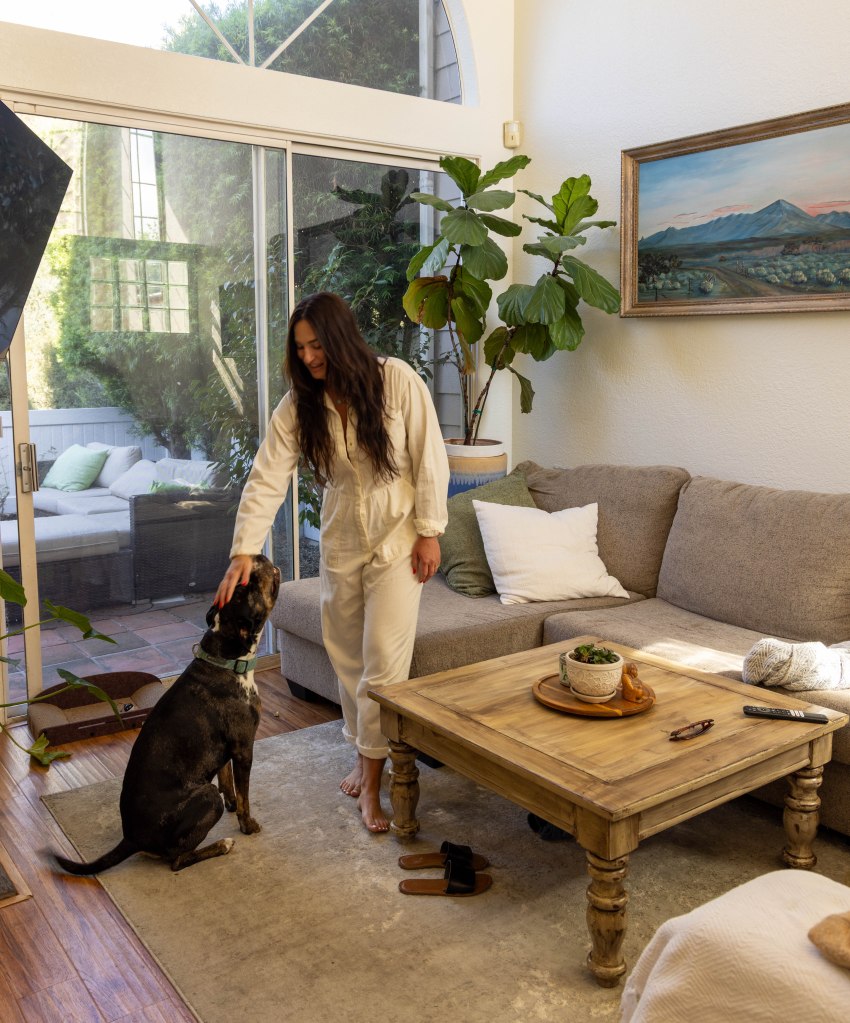
COVID gave her the one thing most creatives crave but rarely receive: time.
So she sat down, and she figured it out.
Painting as a Way Back to Home
Kortney’s Western focus isn’t a costume — it’s a compass.
Her grandparents owned a cattle ranch in Colorado until she was nineteen. She grew up visiting, working the ranch, absorbing the culture, the land, and the kind of family history you don’t realize is shaping you until you’re older. When her grandpa got sick, the ranch was sold — and that loss left a mark.
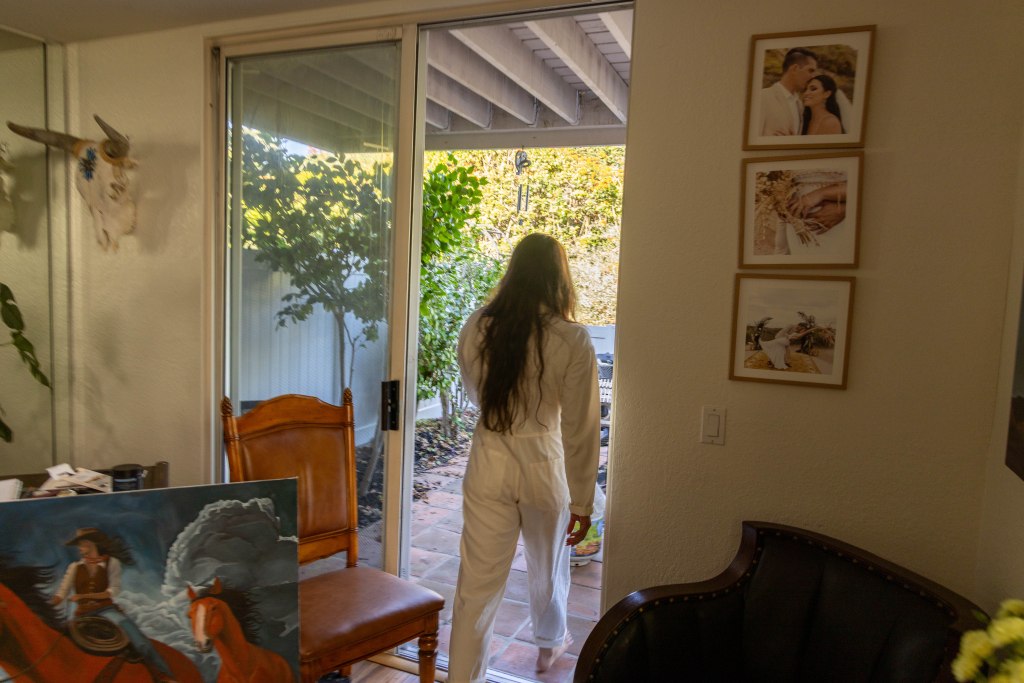
In a way, her paintings became a bridge back to what she missed.
She doesn’t take commissions. She doesn’t paint what other people ask for. She paints what she wants — because she’s already lived the version of art that’s built for someone else’s approval, and she refuses to go back there.

And honestly? That clarity is rare.
The Cowgirl as Muse — Warmth, Power, Mystery
When Kortney talks about painting women, something in her voice changes. There’s conviction there — not performative, but embodied.
“I enjoy painting women. Women are prettier and more fun,” she laughed. “A woman herself is art.”
She’s drawn to cowgirls specifically — women in the landscape, women with grit, women with softness, women with strength. And yes, there’s feminism in it. Not the loud kind — the lived kind. The kind that shows up as a preference, a pull, a truth.
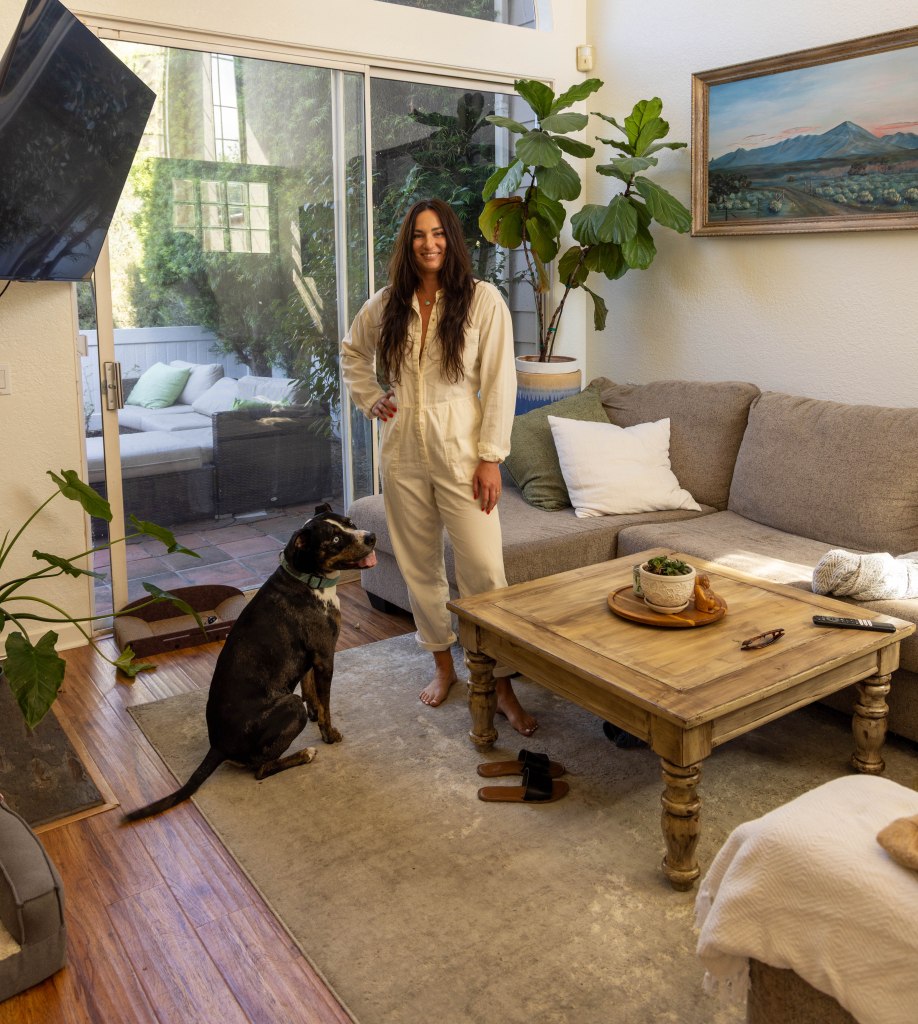
She told me she gravitates toward strong women — the ones with their chin held high. The ones who carry warmth and power at the same time. She says painting men has never given her the same feeling — that “butterflies” moment when a piece lands exactly right.
Even when the woman in her painting isn’t young, glossy, or traditionally “beautiful,” she’s still magnetic. Mysterious. Wise. Human.
Building Paintings Like a World
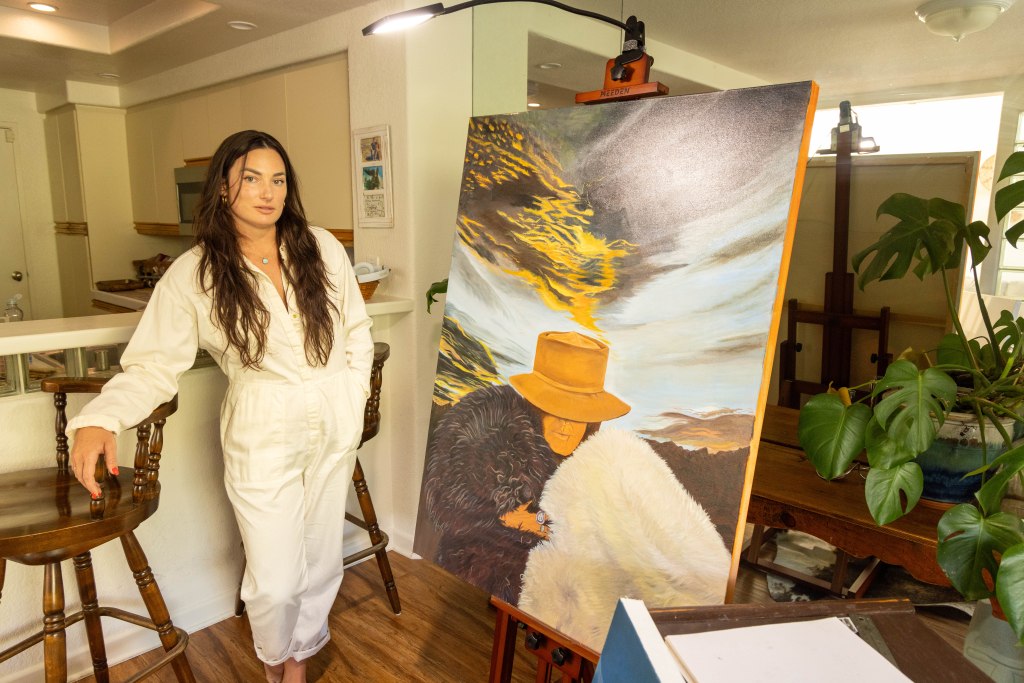
Kortney’s process is part intuition, part storyboard.
She’ll start with an idea — and then piece together references like a director builds a scene: sky, ground, mountains, horses, harnesses, posture, light. More and more, she’s grounding her work in firsthand experiences — letting what she sees, feels, and lives shape the paintings in a more personal way.
One piece she showed me came from a moment she experienced in Jerome, Arizona — a place once called the wickedest town of the West. Standing at the edge of a cliff, she encountered a massive ring of confiscated firearms arching over a valley. The image stayed with her, and she later translated it into oil.
It’s one thing to see a finished painting. It’s another to know the artist stood there, felt it, and carried that moment back to the canvas.
That’s why she recently went on a cattle drive with her mom — east of Paso Robles, on a massive ranch known as the “cowboy side of California.” It wasn’t just about gathering material; it was about immersion.
Being around real cowboys. Wranglers. Land. Work. Dust. Horses.
That’s not aesthetic. That’s nourishment.
The Western Trend… and the Truth Under It

When Western culture started trending harder, she got the comments — people assuming she’s hopping on a bandwagon. She’s not.
She’s been painting Western for years. Long before a country-pop moment or a celebrity aesthetic wave. She’s from Arizona. Her family roots run through ranch life. Her inspiration isn’t trendy — it’s memory and identity.
And even if the trend helped visibility, she’s clear: the work still has to be real.
What She’d Tell Younger Artists
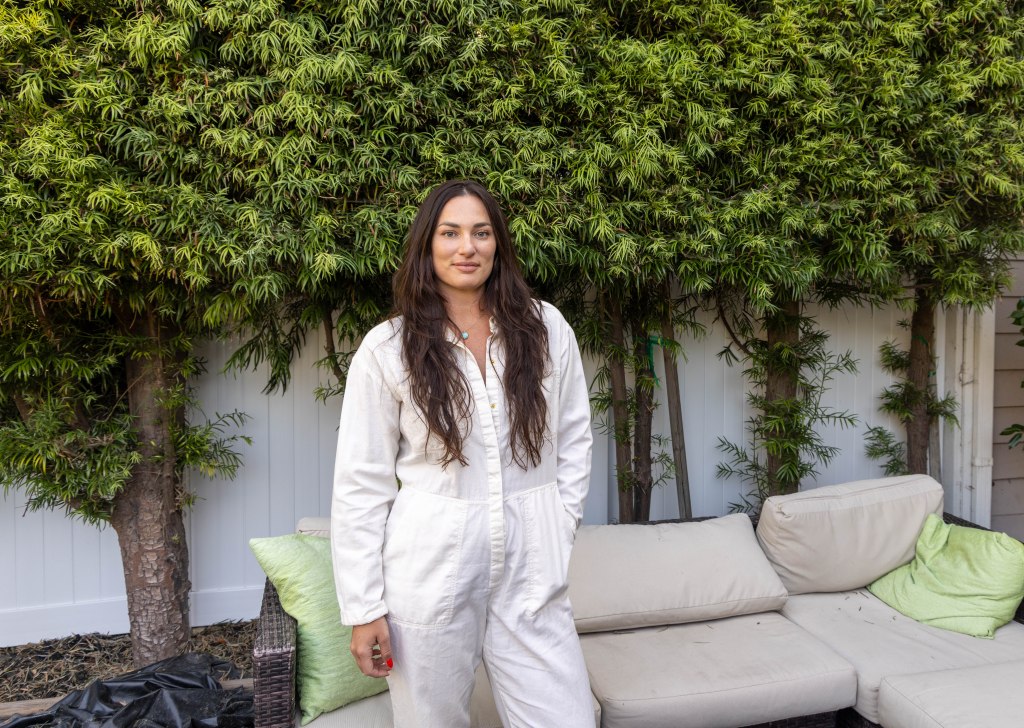
Kortney’s advice comes from self-awareness, not fear.
She knows she needs stability, and she doesn’t romanticize the starving-artist struggle. She said she could never fully rely on art financially — not because she doesn’t believe in herself, but because the pressure would poison the work. She’d paint from stress, not joy.
Her message is simple and grounded:
Keep doing what you love. Don’t contort your art into what you think other people want. Don’t chase opportunities so hard that you lose the reason you started. Build your craft until opportunities come to you for your voice — not your ability to mimic someone else’s.
Because yes, once you’re skilled, you can technically paint almost anything.

But that doesn’t mean it’s worth it.
Where to Find Kortney
You can explore Kortney’s work and follow along here:
- Instagram: @kaptain_kortney
- Instagram: @house.of.dolores.art
- Website: houseofdolores.art
 Art convos
Leave a comment